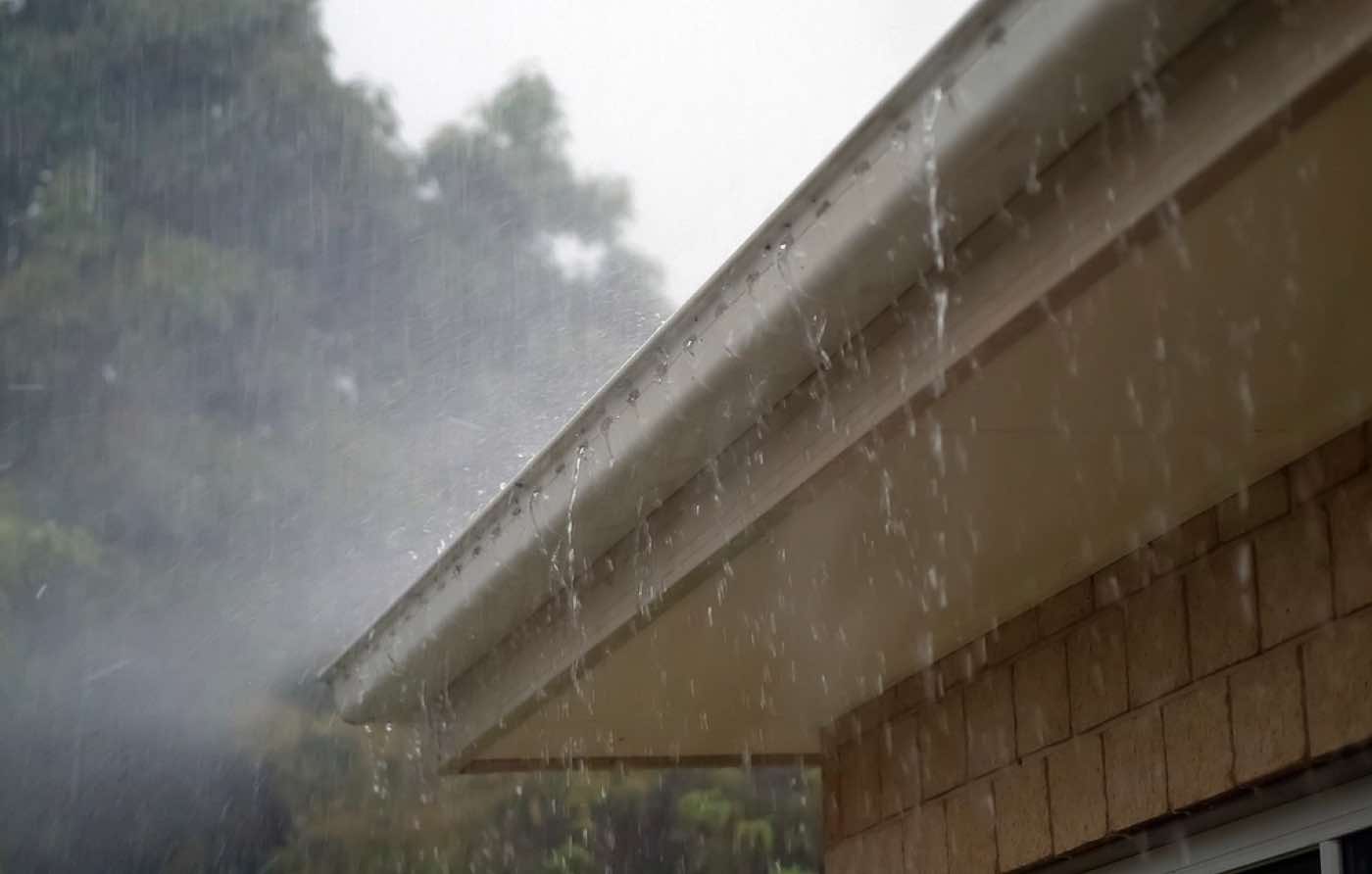
If your basement takes water after a hard rain and stays dry the rest of the month, you do not have a plumbing problem and you probably do not have a crack that needs plugging. You have a ground problem, and around here the ground is fairly predictable.
The soil is holding the water against your house
Southeastern Pennsylvania sits on clay-heavy soil over schist and limestone. Clay is tight. When a storm dumps an inch of rain in an hour, that water does not drain away from your foundation — it sits in the soil beside it and presses.
That pressure is called hydrostatic pressure, and it is the reason the water shows up where it does: along the joint where the wall meets the floor, or seeping through mortar rather than pouring through a single hole. The water is being pushed in at the weakest point, not falling in.
Two kinds of Ambler house, two ways it shows up
Ambler grew up around the railroad in the 1880s, and the walkable part of the borough is still full of Victorian twins and rowhomes standing on stone and rubble foundations. Those were never waterproof by design — they relied on the ground draining, which our ground does not do. They weep through the mortar joints, sometimes along a whole wall, and the wall looks damp rather than wet.
Head out into Upper Dublin, Whitpain or Horsham and the housing changes: 1950s to 1970s ranches and split-levels on cinder-block walls. Block fails differently. Water gets in at the wall-floor joint, and cracks open along the mortar beds — helped along every winter by freeze-thaw, where water in a hairline gap freezes, expands, and widens it a little more each cycle.
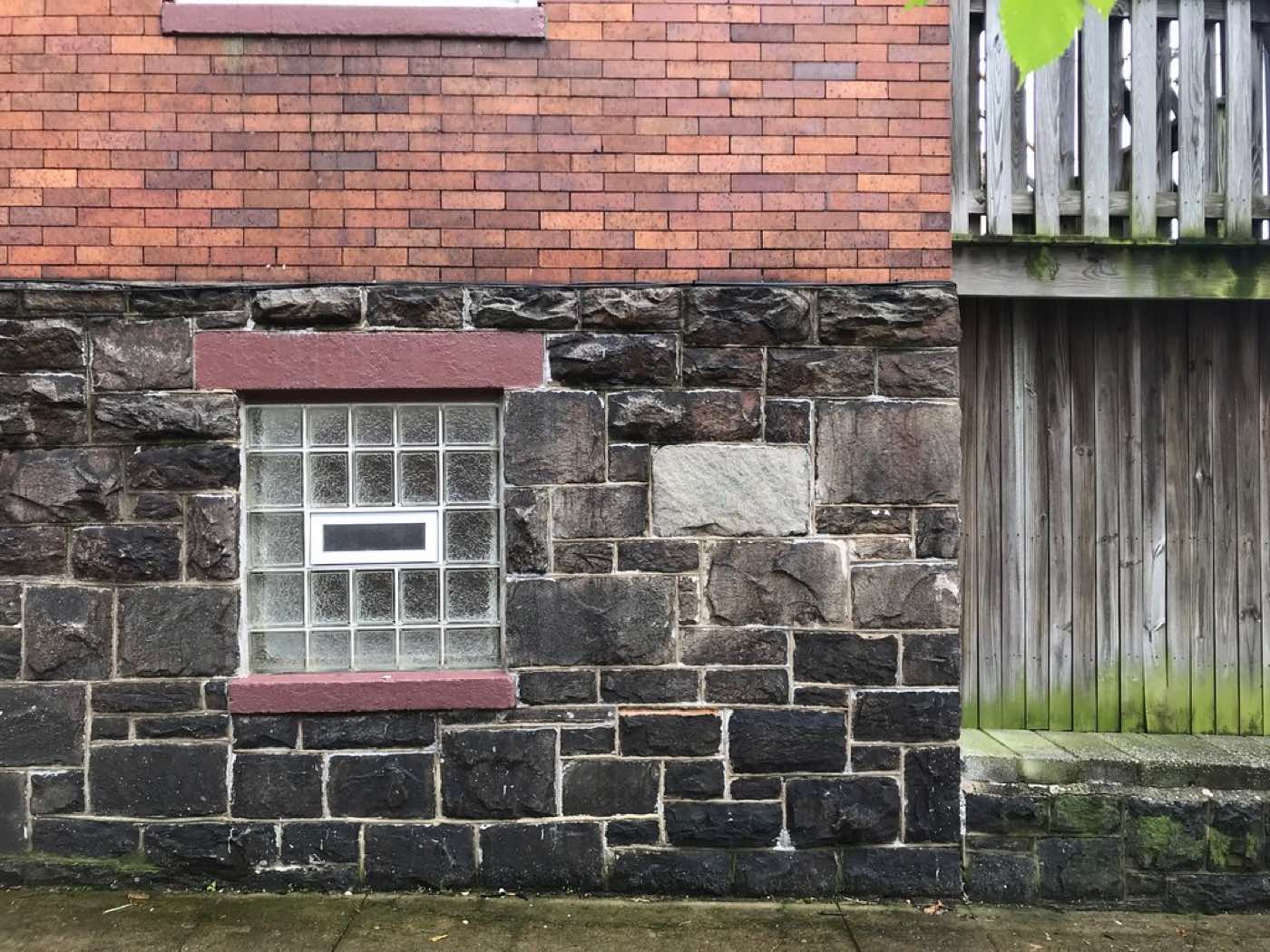
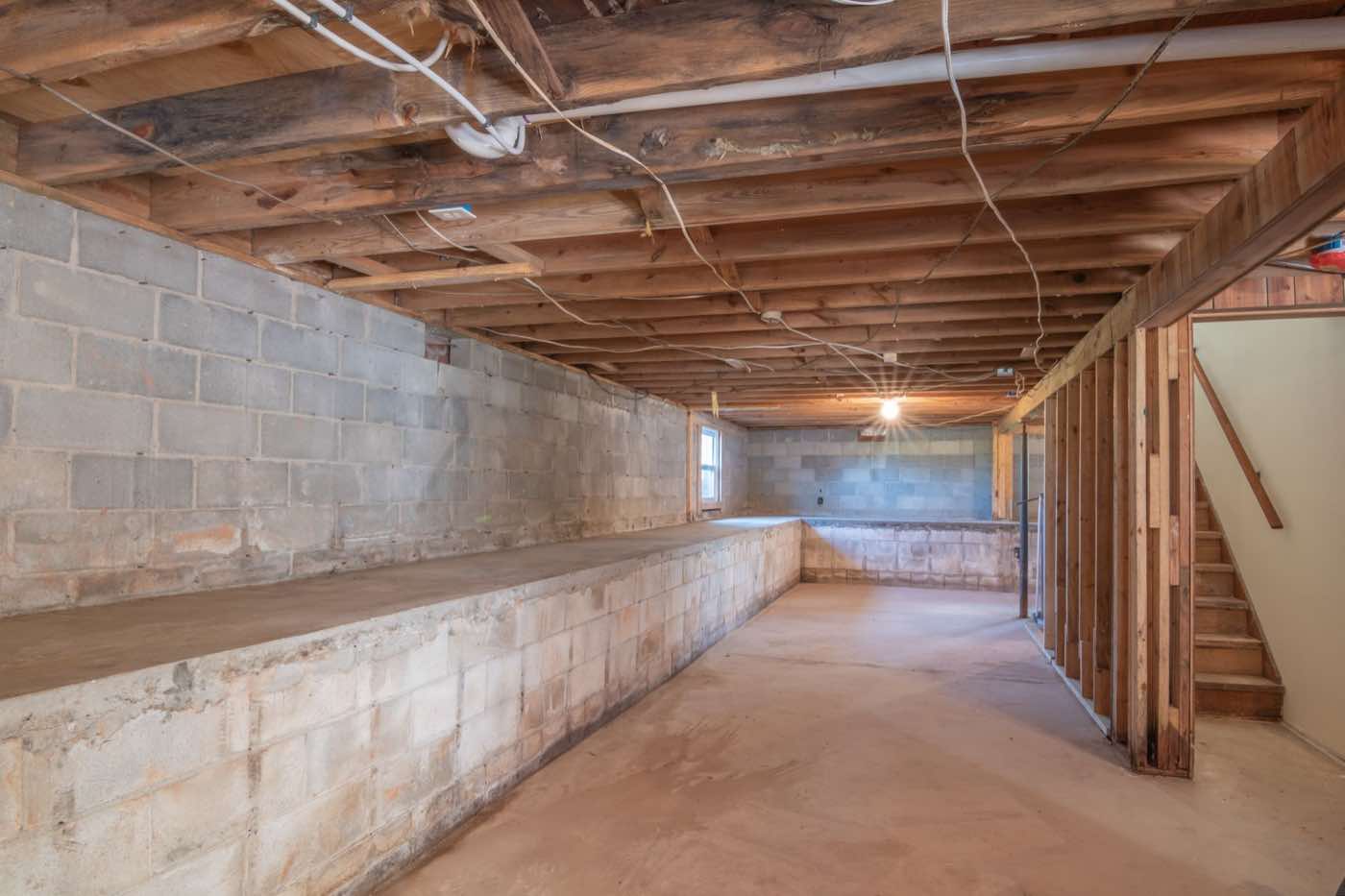
Same soil, same storm, different symptom. That is worth knowing before anyone quotes you, because the fix follows the wall.
Where the water table comes into it
The borough drains toward the Wissahickon Creek watershed. If you are on a low-lying block or near one of the creek's feeders, the water table comes up fast after a storm and stays up longer. Two houses three streets apart can behave completely differently for that reason alone.
What actually stops it
If the pressure is the problem, the fix has to relieve the pressure rather than seal against it. In practice that means giving the water an easier path than through your wall: a channel at the footing, filled with stone and a pitched pipe, running to a sump pit where a pump sends it out and away from the house.
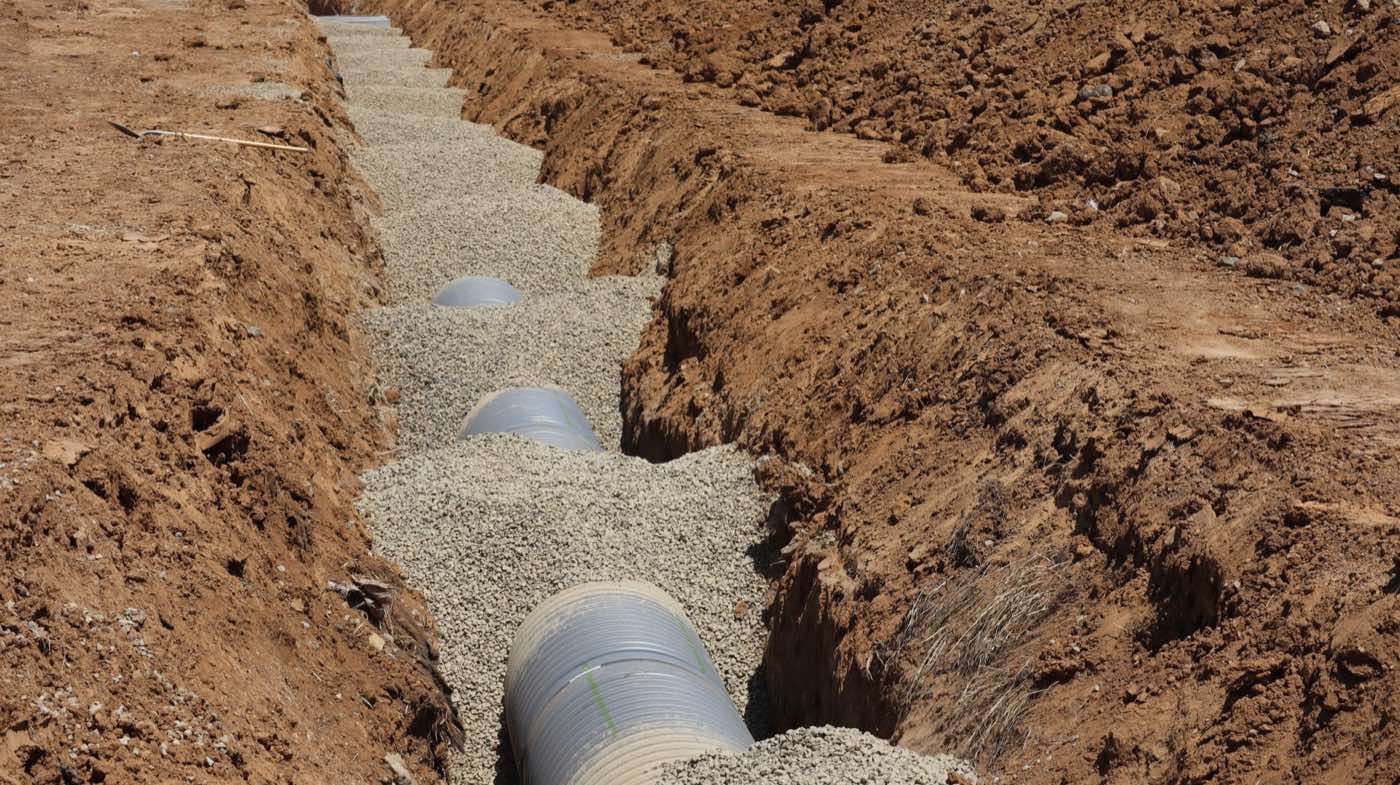
Not every basement needs the full perimeter. Sometimes water only arrives on one side. Sometimes the honest answer is a downspout that is dumping at the foundation, or grading that slopes the wrong way — a much smaller job. That is what looking is for.
8 years later, not a hint of water or dampness, the work is top notch.Dan DeOrzio · Google review
When to get someone out
- Water shows up in the same place after every heavy rain
- A damp or whitish bloom low on the wall that keeps coming back
- A crack that is getting longer or wider, or one that runs horizontally
- The basement smells musty no matter how much you air it out
- You are thinking about finishing the space
Dean comes out, looks at what the water is doing, and tells you which of these you have. The look costs nothing, and if it is the downspout you will hear that too.